Before starting any excavation, construction, landscaping or civil works project, it is important to know what is beneath the ground. Underground infrastructure can include electrical cables, gas lines, water pipes, telecommunications networks and sewer systems. Accidentally damaging one of these services can lead to costly repairs, project delays, environmental hazards and serious safety risks. This is where utility locating services play an important role.
Utility locating involves identifying and marking underground services before excavation or other ground-disturbing work begins. Professional locating specialists use specialised equipment and techniques to determine where underground utilities are positioned, helping workers understand what is below the surface before they begin digging.
What Are Utility Locating Services?
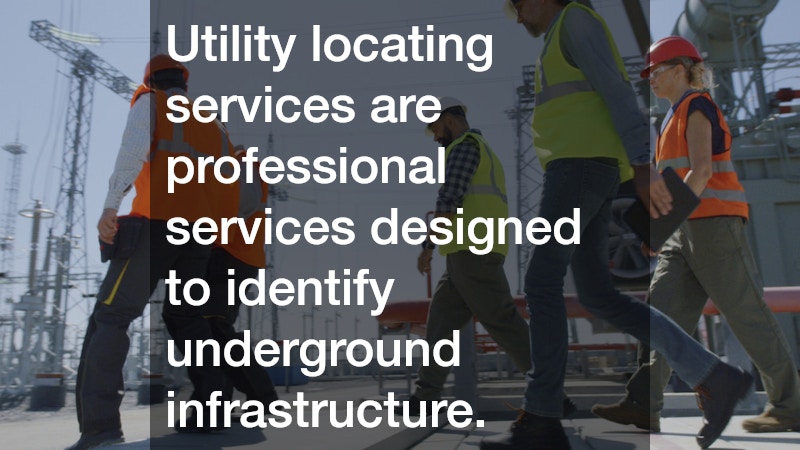
Utility locating services are professional services designed to identify underground infrastructure and determine its approximate location. Depending on the project, locating specialists may search for a range of services, including electrical cables, gas pipelines, water mains, communication lines and drainage systems.
The process generally involves using non-destructive locating equipment to detect underground infrastructure without needing to excavate the area. Once services have been identified, their locations can be marked on the ground or documented for use during the project.
This information can be particularly valuable on construction sites where machinery, excavation equipment and other activities could potentially interfere with buried infrastructure.
Why Is Utility Locating Important?
The ground may look clear from the surface, but that does not mean it is free from underground services. Older properties, developed sites and areas with multiple previous construction projects can contain a complex network of infrastructure.
Damaging an underground utility can have serious consequences. For example, striking an electrical cable can create a dangerous situation for workers, while damaging a gas line could result in leaks, fires or evacuations. Breaking a water or sewer pipe can also cause flooding, contamination and expensive repairs.
Utility locating helps reduce these risks by providing a clearer understanding of underground conditions before work begins. It can also help contractors plan excavation activities more efficiently and avoid unnecessary interruptions.
How Does Utility Locating Work?
The exact process depends on the type of infrastructure being located and the conditions at the site. Locating professionals may use equipment such as electromagnetic locators, ground penetrating radar and other detection technologies.
Electromagnetic locating can be useful for identifying conductive services, such as metallic pipes and electrical cables. Depending on the circumstances, a locating technician may connect to an accessible service point or use signals already present around a utility.
Ground penetrating radar, commonly known as GPR, uses radar pulses to detect changes beneath the surface. It can help identify certain underground features that may not be easily detected using electromagnetic methods.
Experienced technicians generally consider the results from their equipment alongside site information, existing plans and visible features. Combining different sources of information can provide a more comprehensive understanding of what may be underground.
What Types of Utilities Can Be Located?
The types of infrastructure that can be identified vary depending on the technology being used and the site’s conditions. Common examples include electrical services, telecommunications cables, gas lines, water pipes and sewer infrastructure.
Some underground services can be more challenging to detect than others. Non-metallic pipes, for example, may require different locating techniques from conductive cables. Depth, soil conditions, surface materials and the presence of other underground infrastructure can also affect the locating process.
For this reason, it is important not to assume that one locating method will work for every project. A professional assessment can help determine the most appropriate approach.
When Should You Arrange Utility Locating?
Utility locating should generally be completed before excavation or other ground-disturbing activities begin. This can include projects such as building extensions, installing fences, landscaping, planting trees, laying drainage, constructing driveways and carrying out civil works.
It is also worth considering locating services when working on a property with limited or outdated information about underground infrastructure. Existing plans can be useful, but they may not always provide a complete picture of what is actually beneath the ground.
Arranging locating early can give contractors more time to adjust their plans if an underground service is discovered in an unexpected location.
What Happens After Utilities Are Located?
Once underground services have been identified, their approximate positions can be marked on the surface or provided through project documentation. These markings help workers understand where additional care may be required.
However, markings should not be treated as permission to excavate directly over a service without following appropriate safety procedures. Conditions can change, measurements can have limitations and services may not always run exactly as expected.
Workers should continue to follow relevant excavation and safety requirements throughout the project.
Choosing a Utility Locating Professional
When arranging utility locating services, look for an experienced provider with suitable detection equipment and knowledge of underground infrastructure. It is also useful to ask what locating methods they use and whether they can provide documentation or site markings following the inspection.
A professional service should take the specific project and site conditions into consideration rather than relying on a one-size-fits-all approach.
Ultimately, identifying underground services is an important part of responsible excavation planning. Whether the project involves major construction or smaller property improvements, knowing what lies beneath the surface can help protect workers, infrastructure and the surrounding property. By arranging professional utility locating before breaking ground, project managers and property owners can approach excavation with greater confidence and reduce the likelihood of unexpected and potentially dangerous problems.