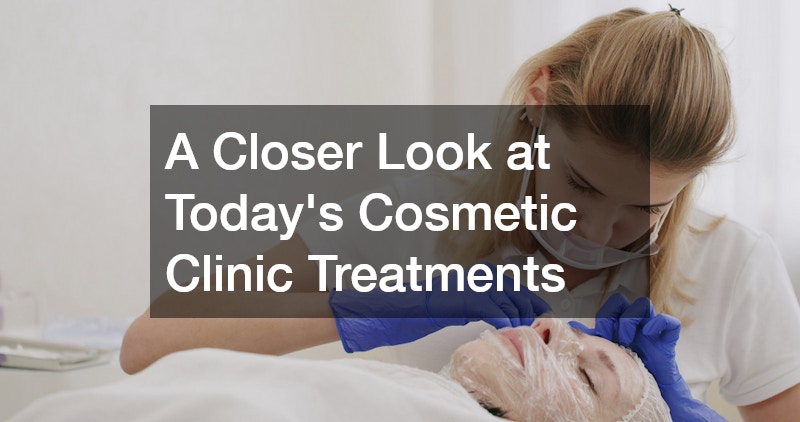
Cosmetic treatments have evolved significantly over the past decade. What was once limited to invasive surgical procedures now includes a wide range of non-surgical options designed to enhance appearance with minimal downtime. For Australians considering aesthetic treatments, understanding what a modern cosmetic clinic offers is an important first step. Today’s cosmetic clinic environment prioritises safety, personalised care and natural-looking, balanced results.
For Australians considering aesthetic treatments, understanding what a modern cosmetic clinic offers is an important first step. Today’s cosmetic clinic environment prioritises safety, personalised care and natural-looking results. Treatments are tailored to individual concerns, whether that involves skin quality, facial balance or age-related changes.
Below is a closer look at the most common treatment categories and what patients can expect.
Non-Surgical Injectables
Injectables remain among the most requested services in any cosmetic clinic. These treatments are designed to soften lines, restore lost volume and enhance facial contours without surgery.
The most common injectable treatments include:
- Anti-wrinkle injections to reduce dynamic lines
- Dermal fillers to restore volume and improve facial balance
When administered by trained professionals, the goal is subtle enhancement that maintains natural facial expression.
Consultation is a critical step. A qualified practitioner will assess facial structure, discuss aesthetic goals and develop a personalised treatment plan aligned with realistic expectations.
Skin Rejuvenation Treatments
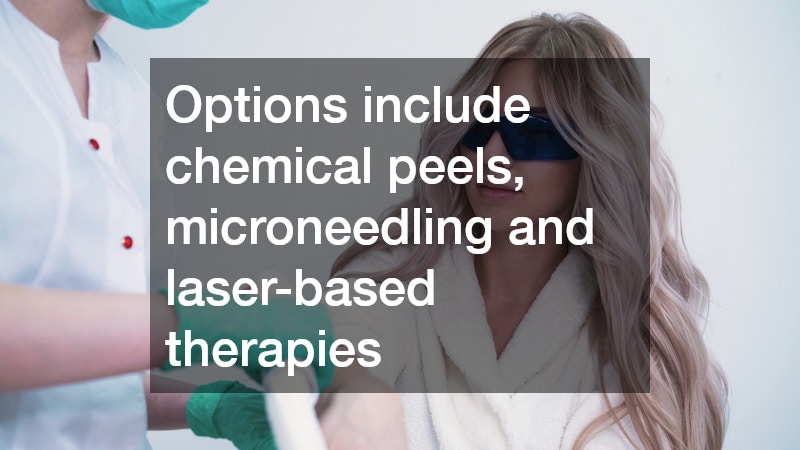
Skin-focused procedures are another key offering within a modern cosmetic clinic. These treatments address concerns such as pigmentation, acne scarring, uneven texture and fine lines.
Popular skin treatments may include:
- Chemical peels
- Microneedling
- Laser-based therapies
Each treatment works differently, but the overall aim is to stimulate collagen production, improve skin tone and promote a healthier complexion.
In Australia’s climate, where sun exposure is a major contributor to skin ageing, preventative and corrective treatments are particularly relevant. A structured treatment plan combined with professional skincare advice supports longer-term results.
Body Contouring & Fat Reduction
Advancements in technology have expanded non-surgical body contouring options. Many clinics now offer treatments designed to reduce stubborn fat deposits or improve skin firmness without invasive procedures.
These treatments often use energy-based technologies such as:
- Controlled cooling
- Radiofrequency
Non-surgical body contouring is generally best suited to individuals close to their target weight who wish to refine specific areas. A thorough consultation ensures the selected treatment aligns with the patient’s goals, medical history and overall health profile.
Personalised Treatment Planning
A defining feature of a reputable cosmetic clinic is its approach to consultation and planning. Rather than offering one-size-fits-all solutions, experienced practitioners focus on individual assessment.
During consultation, practitioners typically review medical history, lifestyle factors and aesthetic preferences. They also discuss potential risks, expected outcomes and maintenance requirements.
In many cases, a personalised plan may involve a staged approach, combining treatments over time to achieve gradual, balanced results.
Safety & Regulation in Australia
In Australia, cosmetic treatments are subject to regulatory standards designed to protect patients. Choosing a clinic with qualified practitioners and transparent processes is essential.
Patients should feel confident asking about:
- Practitioner credentials
- Product quality
- Aftercare protocols
Clear communication, documented consent and realistic outcome discussions are key indicators of responsible practice. Proper aftercare and follow-up appointments further support optimal healing and long-term satisfaction.
Natural-Looking Results & Ongoing Maintenance
Current trends in aesthetic medicine favour subtle enhancements rather than dramatic transformations. Many Australians seek treatments that refresh their appearance while preserving natural facial characteristics.
A skilled practitioner will consider facial harmony, proportion and balance when recommending treatments. The objective is to enhance confidence without creating an over-treated look.
Cosmetic treatments often require maintenance to sustain results. Injectables may require periodic top-ups, while skin treatments may involve a series of sessions. Clear discussion about timeframes, costs and expected outcomes supports informed decision-making.
With a wide range of treatments available, selecting the right provider is as important as choosing the right procedure. Researching practitioner qualifications, reading verified reviews and attending a comprehensive consultation are practical first steps.
A reputable cosmetic clinic prioritises patient education, realistic expectations and evidence-based practice. By understanding available treatments and the importance of personalised care, individuals can make confident, informed decisions aligned with their aesthetic goals.